
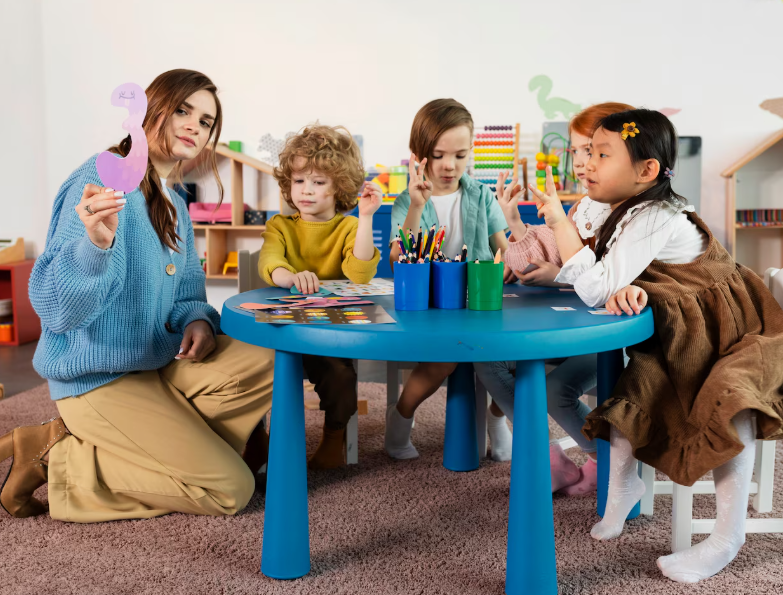

Finding a Montessori preschool near me means locating a learning environment that focuses on fostering independence, creativity, and critical thinking in young children. These schools use a child-centered approach based on Montessori philosophy, which supports hands-on learning and developmentally appropriate activities tailored to each child’s pace.
A Montessori preschool near you provides a unique opportunity for children to grow in self-confidence, social skills, and academic readiness through carefully designed programs and expert-guided exploration. Many such preschools serve children from toddler age through kindergarten, offering a three-year educational cycle that covers core Montessori areas.
Parents searching for the right fit can explore accredited schools, read parent reviews, and compare curricula to ensure a nurturing and stimulating environment for their child’s early development. This approach helps families make informed decisions when choosing a Montessori preschool close to home.
Choosing the Right Montessori Preschool
Finding the best Montessori preschool involves understanding the core principles of Montessori education, verifying the school’s legitimacy, and assessing the learning environment. Each factor plays a crucial role in ensuring the preschool nurtures independence and curiosity effectively.
Key Elements of Montessori Education
Montessori education focuses on fostering independence, hands-on learning, and self-paced development. Students are encouraged to explore activities that match their interests and developmental stage.
Key elements include:
- Child-led learning: Children choose tasks from a range of options.
- Mixed-age classrooms: Allows peer learning and mentoring.
- Emphasis on practical life skills: Encourages self-care and responsibility.
- Respect for individual pace: No set curriculum speed, tailored to each child.
Parents should ensure the school strictly adheres to these principles rather than just using “Montessori” as a label.
Evaluating School Credentials and Accreditation
Accreditation is vital to confirm a Montessori school follows recognized standards. Organizations like the American Montessori Society and Association Montessori Internationale provide certification.
Parents should:
- Verify if the school is accredited or affiliated with credible Montessori bodies.
- Check teacher qualifications, especially their Montessori training certifications.
- Ask about ongoing teacher development to maintain teaching quality.
Accredited schools usually have clear policies, transparent communication with parents, and consistent application of Montessori methods.
Classroom Environment and Materials
The classroom should promote exploration with well-organized, accessible materials designed for various developmental areas—sensory, practical life, math, language, and cultural subjects.
Look for:
- Child-sized furniture and open shelves.
- Natural, tactile materials made from wood or other non-toxic substances.
- Spaces that encourage movement and collaboration while maintaining order.
- Teachers who guide rather than direct, allowing children freedom with structure.
A genuine Montessori environment balances structure and freedom, with materials supporting independent discovery and learning at the child’s pace.
Comparing Montessori Preschool Options Near Me
When selecting a Montessori preschool, practical factors like location, cost, and reputation play critical roles. Understanding how each option meets these criteria helps in making an informed choice that suits the child’s needs and the family’s circumstances.
Location and Accessibility
Proximity to home or work influences daily convenience significantly. Many Montessori preschools are located in residential neighborhoods or near business districts to ease drop-off and pick-up routines.
Accessibility also includes transportation options such as nearby public transit or safe walking routes. Some schools offer flexible hours or part-time programs, which can affect commuting decisions.
Parents should check if the school environment, such as classroom layout and outdoor space, meets their expectations. For example, a bright, spacious classroom with natural light and areas for different activities can enhance the child’s experience.
Tuition and Enrollment Process
Tuition fees vary widely depending on the school’s location, program length, and included services like meals or extended care. Some preschools provide half-day options with two, four, or five-day schedules, allowing families to choose based on their budget and time availability.
The enrollment process usually requires an application, a family interview, and sometimes an observation visit. Deadlines can be strict, so early inquiry is recommended.
Families should ask about any additional fees for materials or registration to understand the full financial commitment. Transparent fee structures and flexible payment plans are marks of well-organized programs.
Parent Reviews and Community Feedback
Parent reviews provide insight into daily experiences and overall satisfaction. Positive feedback often highlights attentive teachers, a nurturing atmosphere, and adherence to Montessori principles such as fostering independence and curiosity.
Conversely, consistent complaints about communication, classroom management, or facilities are important considerations.
Community involvement and word-of-mouth recommendations can also reflect a school’s reputation and reliability. Some platforms offer detailed ratings and photos, helping parents visualize the environment and teaching approach before visiting.
