
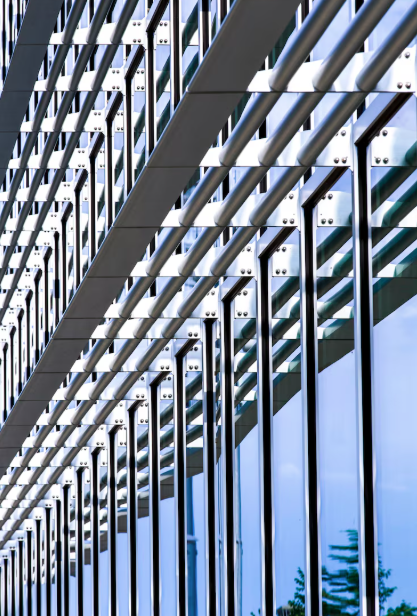

Aluminum cladding facade is a popular choice in modern construction for its durability, lightweight properties, and design flexibility. It provides a protective and decorative outer layer that enhances both the aesthetic appeal and the structural performance of buildings. Aluminum cladding panels are non-combustible, resistant to weather, and require minimal maintenance, making them a practical solution for various types of buildings.
This facade system can be customized in numerous finishes and styles, serving both commercial and residential projects effectively. Its ability to integrate with other materials and meet strict building codes further adds to its appeal. The ease of installation and long-term sustainability are key factors driving its widespread use in new construction and renovation.
Aluminum cladding also offers energy-efficient benefits, contributing to improved insulation and reduced environmental impact over time. Its versatility and strength make it suitable for high-rise buildings and complex architectural designs, ensuring it remains a reliable choice in facade technology.
Understanding Aluminum Cladding Facade Systems
Aluminum cladding facades consist of engineered panels designed for durability, weather resistance, and aesthetic appeal. These systems vary by material composition and installation style, impacting performance, cost, and maintenance requirements.
Each cladding type offers distinct advantages, based on its construction and the core materials used. These differences cater to diverse architectural needs and environmental conditions.
Types of Aluminum Cladding Facade Solutions
Aluminum cladding systems generally fall into three categories:
- Solid Aluminum Panels: Single sheets of aluminum, often alloyed for added strength. These panels are lightweight and provide uniform protection but offer limited insulation.
- Aluminum Composite Panels (ACP): Sandwich structures with two aluminum sheets bonded to a non-aluminum core, such as polyethylene or mineral-filled cores. ACPs offer improved rigidity and thermal properties.
- Aluminum Curtain Wall Systems: Integrate aluminum frames and panels into building structures, allowing larger facade spans with enhanced structural support and flexibility in design.
Installation methods vary as well. Some use clip-in systems that simplify assembly and replacement. Others require framing with aluminum substructures or anchors for enhanced stability and wind resistance.
Advantages of Using Aluminum Cladding
Aluminum cladding offers several key benefits:
- Lightweight: Easier to handle and reduces load on building structures compared to heavier materials like stone or concrete.
- Corrosion Resistance: Aluminum naturally forms an oxide layer protecting it from weather and environmental damage.
- Design Flexibility: Panels come in various finishes, colors, and textures, allowing for extensive aesthetic customization.
- Low Maintenance: Requires minimal upkeep relative to traditional cladding materials.
- Thermal Efficiency: When combined with insulating cores or proper installation, aluminum cladding improves a building’s energy performance.
These advantages make it favored in commercial, residential, and industrial applications.
Core Materials and Panel Construction
The core material in aluminum cladding panels critically affects function and safety:
- Polyethylene Core: Lightweight and cost-effective but less fire-resistant, suitable for low-rise buildings.
- Mineral-Filled Core: Contains fire-retardant materials, enhancing fire safety and meeting stringent building codes.
- Honeycomb or Foam Cores: Provide additional insulation and structural rigidity.
Panels are typically fabricated by bonding aluminum sheets to chosen cores under heat and pressure. The outer sheets often use alloys such as 3003 or 5005 for weather resistance and formability.
High-quality panels include protective coatings like PVDF (polyvinylidene fluoride), which extend lifespan and resist fading and scratching.
Selecting appropriate core materials and coatings is essential to meet project-specific durability, safety, and performance standards.
Design, Installation, and Maintenance
Aluminum cladding facades require careful planning across design, installation, and maintenance to maximize performance and lifespan. Attention to material selection, installation accuracy, and ongoing care ensures durability, aesthetic quality, and energy efficiency for modern buildings.
Design Considerations for Facade Projects
Design begins with evaluating the building’s environment, structural requirements, and desired aesthetic. Aluminum cladding offers a range of finishes, colors, and panel sizes, allowing customization to meet architectural goals.
Key factors include panel thickness, finish type, fire safety ratings, and weather resistance. The system must accommodate expansion and contraction due to temperature changes. Designers often integrate insulation layers behind the cladding to improve thermal performance.
They also consider attachment systems, ensuring compatibility with the building’s frame and compliance with local codes. Early collaboration between architects and engineers helps prevent potential issues during installation.
Installation Processes and Methods
Installation demands precision to avoid damaging panels and to ensure long-term stability. Subframes are installed first, usually aluminum or galvanized steel, creating a secure base for the cladding panels.
Panels are fastened with concealed fixings to maintain a sleek appearance and allow for panel movement. Proper sealing of joints protects against moisture infiltration and air leaks.
Safety protocol is crucial, particularly when working at heights. Only qualified installers with experience in ACM (aluminum composite material) panels or solid aluminum cladding should undertake the task.
Sustainability and Energy Efficiency
Aluminum cladding supports sustainability through recyclability and energy savings. The material is fully recyclable without loss of properties, reducing environmental impact in manufacturing and disposal.
Cladding systems often incorporate insulation layers that improve the building’s thermal envelope. This reduces heating and cooling demands, lowering energy consumption.
Reflective finishes can further minimize heat absorption, improving indoor comfort. Fire-retardant core options enhance safety without sacrificing environmental performance.
Routine Care and Long-Term Durability
Maintenance typically involves periodic cleaning to remove dirt, pollutants, and stains using mild detergents and soft brushes or cloths. Harsh chemicals or abrasive tools can damage the finish.
Inspections every few years should check for panel alignment, seal integrity, and any surface corrosion or damage. Prompt repairs prevent water ingress or structural issues.
High-quality aluminum cladding can last decades with minimal upkeep. Durable coatings resist fading and environmental wear, maintaining appearance and protective functions over time.
