
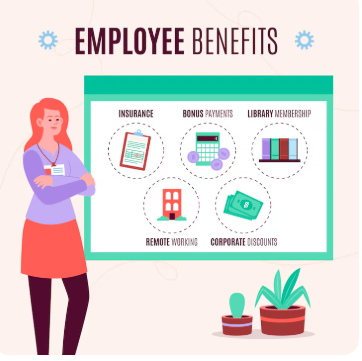

Understanding employee benefits can be tough for businesses and workers in the U.S. A good benefits guide helps companies create packages that draw in and keep the best talent.
Modern employee benefits extend far beyond basic health insurance. They now cover physical wellness programs, mental health support, and financial stability initiatives, and this guide to employee benefits plans highlights how work-life balance options and added perks help employees feel genuinely valued and supported in their roles.
It’s important for companies to know how to design benefits that meet different needs. They need to make sure these packages are affordable and attractive to job seekers.
Strong employee benefits are key investments in a company’s people. They help in hiring, keeping employees happy, and growing the team in a competitive job market.
From small startups to big companies, planning benefits is crucial. It helps attract skilled workers across many fields. The right benefits can also shape a company’s culture and make employees happier.
Understanding the Complete Guide to Employee Benefits Plans
Employee benefits plans are key in today’s work world. They offer more than just a paycheck. They help employees feel good and grow in their careers.
Defining Employee Benefits Plans
So, what are employee benefits? They are special perks given by employers to keep their team happy and loyal. These perks cover a wide range of needs for employees.
- Health insurance coverage
- Retirement savings plans
- Paid time off
- Mental health support
- Professional development opportunities
The Critical Role of Benefits in Workforce Engagement
Benefits play a huge role in keeping employees happy and productive. They help companies stand out in a crowded job market. Happy employees work better and stay longer.
- Reduces employee turnover
- Enhances company reputation
- Supports employee financial wellness
- Improves workplace culture
Evolution of Workforce Benefits Programs
Benefits have changed a lot over the years. They’ve moved from basic health insurance to full wellness programs. Now, they cover everything from mental health to personal growth.
Companies see benefits as a way to invest in their team. By offering great benefits, they build a strong, dedicated team.
Types of Health Insurance and Wellness Benefits
Understanding health insurance can be tough for employees. Today, workplaces offer many health benefits to help workers stay healthy. Employers know that good health plans are key to keeping the best employees.
Health insurance plans vary in important ways:
- Preferred Provider Organizations (PPOs)
- Health Maintenance Organizations (HMOs)
- High-Deductible Health Plans (HDHPs)
- Exclusive Provider Organizations (EPOs)
Each plan has its own benefits for employee health. PPOs let you choose your doctors, while HMOs cost less but have a set network. HDHPs work with HSAs, helping you save on medical bills.
Companies are also adding more to their health benefits:
- Mental health support services
- Employee Assistance Programs (EAPs)
- On-site health screenings
- Fitness membership reimbursements
- Stress management resources
These extra benefits show a big commitment to employee health. By offering a wide range of health plans, companies can make their workplaces better. This can also help save money on healthcare costs in the long run.
Retirement Plans and Financial Security Options
Retirement plans are key for those planning their future finances. 401k plans are a mainstay in the US workplace. They let workers save from their paycheck, with employer matches that can greatly increase savings.
There are more options than just 401k plans. Pension plans offer a steady income after retirement. For those in education and non-profits, 403(b) plans are similar. Small businesses might offer SIMPLE IRA plans for financial security.
Financial security goes beyond retirement savings. Life insurance, disability coverage, and flexible spending accounts add protection. New benefits like student loan help and financial planning are also gaining traction. They show companies’ focus on overall financial wellness.
Good retirement planning means knowing your investment choices and using employer benefits. By making the most of these plans, understanding how they work, and exploring other benefits, you can build a strong financial base. This supports both your current needs and future wealth.
