
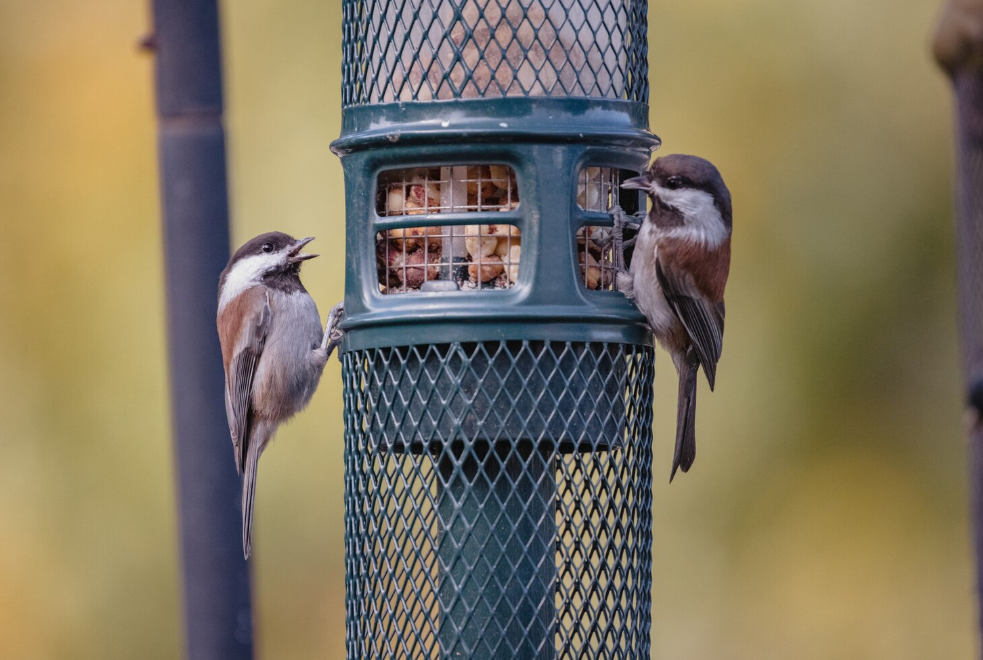

Bird control services help manage and prevent bird-related problems on residential and commercial properties using humane and effective methods. These services address issues like property damage, health risks, and noise caused by common nuisance birds such as pigeons, sparrows, and starlings. They offer solutions including deterrents, netting, and spikes designed to keep birds away without harming them.
Specialized companies combine expertise in wildlife management, biology, and falconry to create tailored plans that fit the specific needs of each property. Their approach focuses on long-term control and prevention, ensuring properties remain bird-free while respecting local wildlife.
With many options available, property owners benefit from professional assessments to choose the most suitable and sustainable bird control methods. This helps protect buildings and outdoor spaces efficiently and responsibly.
Bird Control Service Solutions
Effective bird control relies on precise assessment, targeted deterrents, proper installation, and tailored management plans. These elements work together to prevent bird-related damage and maintain property safety efficiently.
Professional Assessment Process
A thorough on-site evaluation identifies bird species, nesting sites, and problem areas. Specialists assess property structure, bird behavior, and potential health risks related to infestations.
They gather data on bird population size and the extent of damage or contamination. This helps determine whether exclusion, removal, or relocation methods are needed. Professionals also consider environmental regulations and humane treatment standards.
Clear documentation during the assessment allows creation of effective strategies, avoiding unnecessary measures. This step ensures solutions address both current issues and prevent future bird problems.
Types of Bird Deterrents
Bird control uses various deterrents depending on the species and location. Common options include:
- Bird netting: Prevents access to balconies and ceilings.
- Spikes: Blocks landing on ledges and roofs.
- Audio devices: Emit distress calls or predator sounds.
- Visual repellents: Use reflective materials or fake predators.
- Falconry: Trained birds of prey scare away pests.
Deterrents are chosen based on effectiveness, environmental impact, and safety for humans and birds. Combining multiple methods often yields better results.
Installation and Maintenance
Proper installation ensures long-term effectiveness of bird control devices. Specialists fix netting securely to eliminate gaps and attach spikes firmly to surfaces.
Maintenance involves regular inspections to check for wear, damage, or bird activity resuming. Cleanings may be required to remove droppings or nesting material.
Technicians also adjust and upgrade systems as bird behavior changes or new access points appear. Consistent upkeep prevents re-infestation and prolongs product lifespan.
Customized Bird Management Plans
Plans are tailored to property type, bird species, and client goals. They balance immediate removal needs with ongoing prevention strategies.
Elements of plans include scheduled inspections, integrated deterrent use, and habitat modifications. Some properties require permits for trapping or relocation, which professionals handle.
By customizing solutions, bird control services minimize disruption and maximize effectiveness. Plans address both seasonal bird patterns and long-term control.
Benefits of Expert Bird Control
Expert bird control services provide precise solutions that address structural damage, health risks, and environmental concerns. These services apply proven methods that meet regulatory standards while ensuring humane treatment of birds.
Protecting Property and Health
Birds often nest in areas like gutters, vents, and attics, which can lead to significant structural damage over time. Their droppings are acidic, accelerating the deterioration of roofing materials and metal components. Additionally, droppings and feathers can clog ventilation systems, reducing efficiency and increasing maintenance costs.
Health risks are notable. Bird droppings carry pathogens that may cause respiratory issues or infections. Professional bird control identifies vulnerable building spots and implements targeted measures like exclusion devices, netting, or repellents to prevent further infestations.
Eco-Friendly Bird Management
Modern bird control emphasizes humane and environmentally safe methods. Technologies such as motion-activated deterrents and ultrasonic repellents discourage birds without harm. These devices use natural signals or sounds that trigger flight responses, reducing the need for trapping or lethal methods.
This approach maintains ecosystem balance while minimizing property damage. Expert services tailor solutions to local bird species and habitats, ensuring compliance with wildlife protection laws and supporting sustainable management.
Long-Term Cost Savings
Initial investment in expert bird control often reduces future repair and cleaning expenses. By preventing nests in critical areas, ongoing damage to roofs, gutters, and ventilation systems is minimized. This extends the lifespan of building materials and reduces maintenance frequency.
Proactive bird control also cuts costs related to health and safety compliance, avoiding fines or liability concerns. Customized strategies focus resources efficiently, leading to fewer repeat visits and less extensive remediation, making the service cost-effective over time.
