
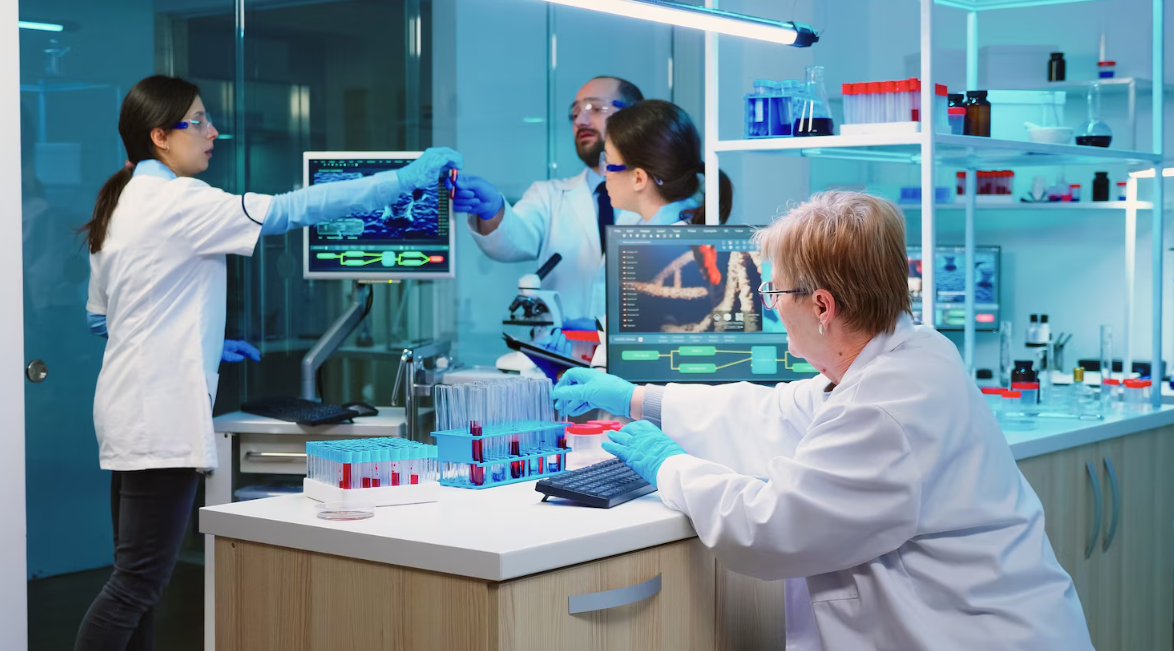

Lab equipment dealers play a crucial role in supplying reliable tools and instruments essential for scientific research, education, and industry. They offer a wide range of products, from microscopes and centrifuges to lab safety apparel and consumables, ensuring laboratories operate efficiently and meet quality standards.
A reputable lab equipment dealer provides not only high-quality products but also expert support and personalized service to help customers select the right tools for their specific needs. This combination of product variety and service is key to maintaining effective lab operations. Many dealers in Canada emphasize local ownership and personalized attention, making them valuable partners for labs across the country.
Choosing the right dealer can affect costs, equipment lifespan, and overall lab performance. With advancements in technology and ongoing innovation, dealers that keep up with trends and customer demands help labs stay current and competitive.
Types of Lab Equipment Dealers
Lab equipment dealers vary by the specific markets they serve and the kinds of instruments they supply. Their specialization influences the product range, service options, and expertise they provide to clients.
Specialized Scientific Equipment Distributors
These dealers focus on high-precision scientific instruments used in research and development. Their inventory often includes microscopes, spectrometers, chromatography systems, and environmental testers.
They typically supply equipment that meets strict calibration and certification standards. Support services may involve installation, training, and ongoing maintenance to ensure accuracy in experiments.
Clients relying on these dealers are often universities, research institutes, and advanced laboratories that require cutting-edge technology and expert guidance.
Medical Laboratory Suppliers
Medical lab suppliers cater specifically to clinical and diagnostic facilities. Their products include blood analyzers, centrifuges, incubators, and sterile consumables.
These dealers must comply with healthcare regulations and provide equipment validated for patient testing and analysis. They also offer consumables and disposables critical for routine diagnostics.
Hospitals and medical labs prioritize reliability, fast delivery, and after-sale service, which are key offerings from these suppliers.
Industrial Lab Equipment Vendors
Industrial vendors serve manufacturing, quality control, and environmental testing labs. Their selections cover instruments like material testers, chemical analyzers, and temperature control devices.
They often provide solutions tailored to specific industrial processes, offering rugged equipment that can operate in demanding environments. Vendors may also supply customizable systems for automation and data management.
Companies involved in pharmaceuticals, petrochemicals, and food production frequently source their lab equipment from these vendors.
How to Choose Reliable Lab Equipment Dealers
Selecting the right lab equipment dealer requires attention to product quality, dealer reputation, and the support services offered. These factors directly affect the accuracy, safety, and efficiency of laboratory operations.
Assessing Product Quality and Certification
Product quality is fundamental when choosing a lab equipment dealer. The equipment should meet industry standards such as ISO, CE, or relevant national certifications. These certifications confirm that the instruments have passed rigorous testing and comply with safety and performance regulations.
Buyers should verify if the dealer provides detailed documentation on each product, including calibration certificates and quality control reports. Transparent quality assurance processes reflect the dealer’s commitment to delivering reliable instruments.
Additionally, consistent access to tested, certified tools minimizes operational disruptions and enhances experimental reliability, making certification a non-negotiable priority.
Evaluating Dealer Reputation
A dealer’s reputation indicates its reliability and professionalism. It is essential to research customer reviews, case studies, and testimonials from laboratories similar in size or specialty. A proven track record in timely delivery and accurate order fulfillment signals dependable service.
Check whether the dealer has partnerships with trusted manufacturers or brands. Dealers connected to established brands often provide higher consistent quality and access to the latest technology.
Dealers with strong industry presence typically offer more transparent communication and a better understanding of lab-specific requirements.
Customer Support and After-Sales Service
Responsive customer support is critical, especially when issues arise with sensitive lab equipment. Dealers should offer technical assistance, training, and routine maintenance services to ensure equipment longevity and accurate performance.
After-sales service policies should be clear, including warranty coverage, repair turnaround times, and availability of replacement parts. A reliable dealer will prioritize minimizing downtime and offer swift solutions.
Regular after-sales engagement demonstrates the dealer’s commitment to ongoing partnership beyond the initial purchase.