
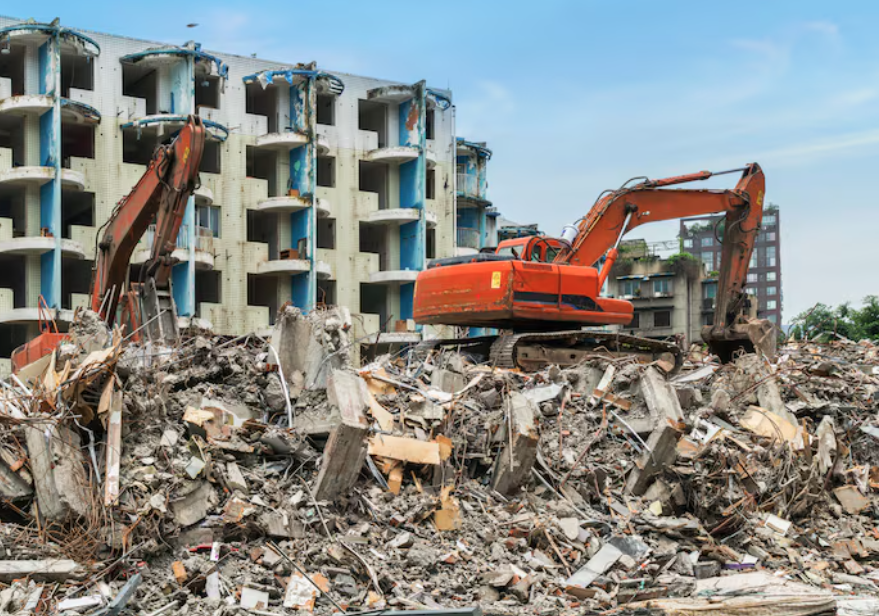

Construction debris disposal is a critical part of any construction, renovation, or demolition project. Managing waste properly helps maintain a clean and safe worksite while ensuring compliance with environmental regulations. Effective disposal prevents pollution, reduces hazards, and supports sustainable practices by diverting waste from landfills.
Construction debris can include materials like concrete, wood, metal, and hazardous substances, making the disposal process complex. Choosing the right methods and services streamlines the task and helps projects stay on schedule without risking fines or environmental damage.
Understanding how to handle construction waste efficiently benefits both the project and the surrounding community. Proper disposal protects natural ecosystems and ensures legal compliance, setting the foundation for responsible construction practices.
Methods of Construction Debris Disposal
Construction debris disposal involves multiple strategies to handle waste materials efficiently and compliantly. These methods focus on reducing landfill use, cutting costs, and managing various material types safely. Effective waste management often requires combining different approaches based on project scale and debris composition.
On-Site Waste Segregation
On-site waste segregation involves sorting construction debris into categories such as wood, metal, concrete, drywall, and cardboard. This process enables easier recycling and reduces contamination between recyclable and non-recyclable materials.
Workers typically use designated containers or bins for each material type. Segregation minimizes disposal costs by enabling selective hauling or reuse, and it complies with many local regulations aimed at diverting waste from landfills.
On-site sorting also improves job site safety by controlling debris accumulation. It requires planning and training to ensure materials are correctly separated throughout the construction or demolition process.
Recycling and Repurposing Materials
Recycling construction debris reduces environmental impact and saves money. Materials like metals, concrete, drywall, and lumber can be reclaimed and processed for reuse in new construction or other industries.
Concrete is often crushed on-site or at recycling centers to produce aggregate for roads or foundations. Metals such as steel and aluminum are separated for melting and reuse. Wood can be chipped for mulch or reprocessed into engineered wood products.
Recycling requires identifying nearby C&D recycling facilities and understanding accepted materials. Repurposing includes salvaging fixtures, doors, or bricks for resale or direct reuse, further extending material life and decreasing waste volume.
Hauling and Dumping Services
Hauling and dumping services transport construction debris from the job site to disposal or recycling facilities. Contractors hire specialized companies equipped with trucks and containers designed for bulky waste like concrete, metal, and wood.
Service options often include scheduled pickups or on-demand hauling depending on project size and debris generation rate. Proper documentation and permits ensure regulatory compliance during transport.
Selecting a hauling service considers factors like price, pickup frequency, container size, and permitted disposal locations. Efficient coordination minimizes on-site storage needs and maintains a clean, safe work environment.
Landfill Disposal
Landfill disposal is typically the last resort for construction debris that cannot be reused or recycled. Materials sent to landfill sites must follow local regulations, particularly regarding hazardous or prohibited waste.
Landfills accept mixed debris, but fees vary based on material type and weight. This disposal method involves transporting debris to licensed landfill facilities where it is compacted and buried.
Due to environmental concerns, landfill disposal is less desirable and often more costly than recycling. However, some materials, such as treated wood or contaminated debris, may require landfill disposal under specific conditions.
Legal and Environmental Considerations
Construction debris disposal involves strict rules and responsibilities that protect public health and the environment. Compliance with local laws, understanding environmental effects, and securing necessary permits are key to lawful and effective waste management.
Local Regulations for Debris Disposal
Local regulations vary widely and directly affect how construction debris must be handled. These laws often require contractors and property owners to follow specific procedures for sorting, storing, transporting, and disposing of waste materials.
Failure to comply can result in fines, project delays, and legal actions. Common requirements include:
- Proper segregation of hazardous and non-hazardous waste
- Use of licensed disposal facilities
- Adherence to local landfill restrictions
Maintaining “good housekeeping” on-site is usually mandated to prevent hazards. These standards ensure debris does not create unsafe conditions or environmental contamination during the project.
Environmental Impact of Construction Waste
Construction projects generate large amounts of waste that can harm ecosystems if not managed carefully. Waste like concrete, wood, metals, and hazardous materials such as asbestos or lead-based paint require special attention due to their potential to pollute air, soil, and water.
Resource depletion is another concern, as raw materials are consumed rapidly by construction activities. Efficient design and waste reduction strategies minimize environmental damage by encouraging recycling and reuse.
Environmental protection depends on reducing waste volume, preventing contamination, and promoting sustainable materials management throughout the project lifecycle.
Permitting and Documentation
Securing proper permits is critical before beginning any construction waste disposal. Environmental permits regulate air emissions, water usage, and site runoff related to waste activities.
Documentation often includes waste manifests, disposal receipts, and compliance reports. These records verify that debris has been handled and disposed of according to law.
Failing to obtain or maintain required permits can lead to work stoppages, penalties, or legal action. Consistent monitoring and record-keeping help demonstrate adherence to environmental and safety standards throughout disposal operations.
